








Understanding Commercial Truck Categories: Value, Markets, and Trends
Commercial truck values aren’t driven by mileage or appearance alone. Equipment type, component demand, regional markets, and industry cycles all play a major role in what a truck is actually worth. Some trucks hold value because of engines or hydraulics, others because of bodies, mounted equipment, or specialized systems. Understanding those differences is critical when buying or selling commercial trucks. The following list breaks down the major commercial truck categories, where their value typically comes from, and what market forces currently influence pricing across the country.
Commercial Truck Categories That Hold Value in Any Condition
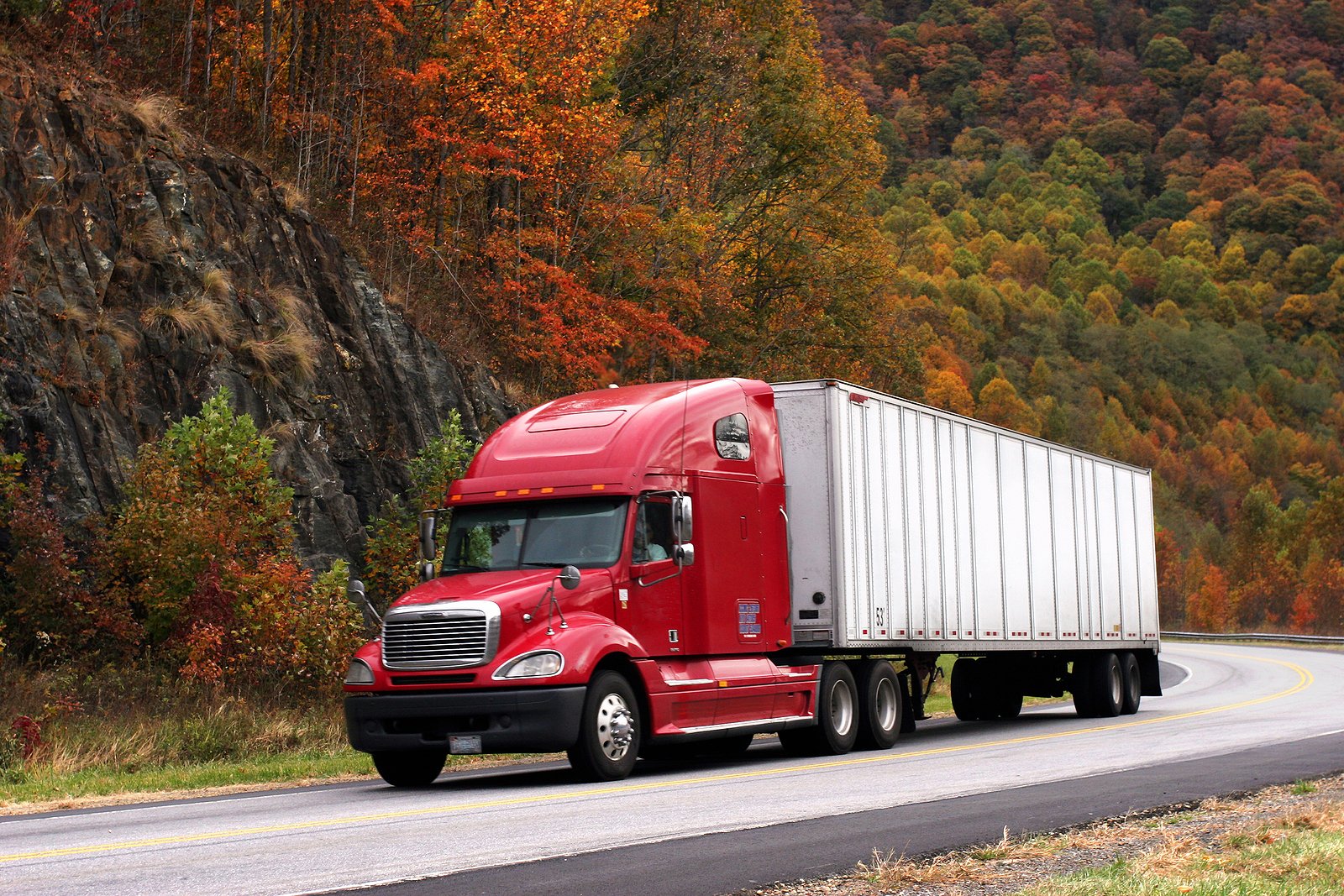
- Semi-Trucks and Tractor-Trailers – Engine, transmission, and drivetrain components often retain strong nationwide value, even in non-running units.
- Box Trucks and Straight Trucks – Lift gates, box structures, and delivery-grade components drive demand beyond basic drivability.
- Dump Trucks – Hydraulic systems, heavy rear ends, and dump bodies frequently account for most of the truck’s value.
- Flatbed Trucks – Deck material, length, and cargo-handling equipment often matter more than cosmetic condition.
- Refrigerated Trucks (Reefers) – Refrigeration units, insulated boxes, and auxiliary systems can be valuable on their own.
- Tanker Trucks – Tank material, pumps, and specialized configurations heavily influence resale and parts value.
- Garbage and Refuse Trucks – Compaction systems, bodies, and automated arms often outweigh chassis condition.
- Tow Trucks and Wreckers – Booms, winches, rotators, and hydraulic equipment typically drive pricing.
- Concrete Mixer Trucks – Drum assemblies, PTO systems, and hydraulic drives maintain strong replacement demand.
- Service and Utility Trucks – Mounted equipment like bucket lifts, cranes, and compressors often exceed truck value.
- Step Vans and Walk-In Vans – Aluminum bodies, shelving, and conversion potential keep these units in demand.
- Rollback and Car Carrier Trucks – Hydraulic decks, winches, and transport equipment remain valuable even when trucks don’t run.
Understanding Commercial Truck Value by Category
Commercial trucks aren’t valued the same way passenger vehicles are. Their worth depends on equipment, components, regional demand, and industry-specific markets that change constantly. At Kelly Truck Buyers, understanding those markets isn’t occasional research; it’s what we do every day. We work with owners across 12 major commercial truck categories and buy trucks in any condition, whether they’re still working, need major repairs, or no longer run at all.
Most of the trucks we purchase have issues that make them difficult to sell through traditional channels. What many owners don’t realize is that commercial trucks often retain value beyond basic drivability. Engines, hydraulics, bodies, mounted equipment, and specialized parts can be highly valuable depending on the truck type and current market demand. We track those values nationwide, handle towing at no cost, and keep the selling process straightforward.
This guide outlines the major commercial truck categories we work with, where value typically comes from in each, how location affects pricing, and what market forces currently influence commercial truck demand.
- Semi-Trucks and Tractor-Trailers
Semi-trucks represent the backbone of long-haul freight transportation. These vehicles come in two primary configurations: day cabs designed for regional routes and sleeper cabs equipped for long-distance operations.
Where Value Lies: Engine value dominates the parts market for semi-trucks. Cummins, Detroit Diesel, and Caterpillar power plants command strong prices even in non-running trucks. Transmissions, particularly Eaton and Fuller models, hold significant value. Rear differentials, axle assemblies, and for sleeper cabs, the entire cab structure with its sleeper compartment represent major value components. Even older trucks with high miles maintain worth through their component parts.
Geographic Considerations: The Midwest serves as a hub for semi-truck parts demand due to its central location in national freight networks. Major trucking corridors see consistent buyer activity. Coastal port regions (particularly Texas, California, and East Coast locations) maintain active markets due to shipping and logistics concentrations. Trucks in these regions often draw more competitive offers.
Current Market Trends: Recent supply chain disruptions created shortages in new truck availability, which rippled through the used and parts markets. While new truck production has stabilized, component demand remains elevated. Emission regulation changes have created interesting market dynamics; older pre-DEF (Diesel Exhaust Fluid) trucks hold specific value for buyers seeking engines exempt from newer emission requirements. Winter conditions in northern regions increase demand for trucks with reliable cold-weather starting systems.
- Box Trucks and Straight Trucks
Box trucks feature cargo areas built directly onto the truck chassis, ranging from 12-foot models used in local delivery to 26-foot trucks common in moving and distribution operations.
Where Value Lies: Box truck value splits between mechanical components and the box structure itself. Diesel engines from Isuzu, Hino, and larger domestic brands maintain strong parts market demand. Hydraulic lift gates add considerable value regardless of truck condition; these units often get resold independently. The box dimensions, insulation quality, and features like E-track systems or shelving affect overall worth. Commercial-grade transmission and heavy-duty suspension components command attention from repair shops and fleet operators.
Geographic Considerations: Metropolitan areas show consistent demand for box truck parts due to concentrated delivery and service industries. Urban fleet operators create steady markets for replacement components. Regulations in certain cities restricting larger trucks create specialized demand for box truck parts in those regions. Trucks located near commercial centers typically see stronger interest.
Current Market Trends: E-commerce growth has driven box truck fleet expansion, which increases parts demand as those fleets age. Last-mile delivery competition has created turnover in commercial fleets, with older units being retired while still holding component value. Lift gate prices have risen due to new equipment costs, making used units more valuable. Diesel emission standards continue affecting valuation, with pre-emission trucks holding appeal for specific commercial applications.
- Dump Trucks
Dump trucks serve construction, landscaping, and material hauling operations, ranging from single-axle models to tandem and tri-axle configurations designed for heavy payloads.
Where Value Lies: The hydraulic dump system represents significant value in these trucks; cylinders, pumps, and control systems command strong prices. Heavy-duty transmissions and rear ends designed for payload stress hold substantial worth. The bed itself, particularly steel or aluminum dump bodies in good condition, maintains value for replacement or repair purposes. Diesel engines from manufacturers like Cummins and Cat remain valuable even in high-mileage trucks.
Geographic Considerations: Construction-heavy regions show strongest demand patterns. Sunbelt states with ongoing development activity maintain active markets for dump truck components. Northern regions see seasonal patterns tied to construction cycles; spring and summer see increased activity as projects ramp up. Rural areas with active gravel and agricultural operations create year-round demand for certain dump truck parts.
Current Market Trends: Infrastructure investment and construction activity directly impact dump truck markets. Recent years have seen elevated construction spending, which drives fleet activity and subsequent parts demand. Aluminum dump bodies have gained value due to raw material price increases. Winter weather creates urgency around trucks that have sat idle; components freeze, hydraulic systems fail, making winter an active time for owners selling non-running units. Emission tier requirements affect valuations, with older trucks finding niches in specific applications.
- Flatbed Trucks
Flatbed trucks feature open cargo decks without enclosed sides or roofs, used for transporting building materials, equipment, and oversized loads that don't fit in enclosed trucks.
Where Value Lies: The flatbed itself holds significant value based on length, material (steel or aluminum), and features like stake pockets, winch mounts, or tool boxes. Heavy-duty suspension systems and frames designed for weight distribution command strong prices. Engines and transmissions follow standard commercial truck valuations, but the specialized cargo handling equipment often represents the primary value. Winches, ramps, and tie-down systems add worth even when mechanical components have failed.
Geographic Considerations: Industrial regions with manufacturing, steel production, or heavy equipment operations show consistent flatbed demand. States with active oil and gas sectors (Texas, Oklahoma, North Dakota) maintain strong markets due to equipment transport needs. Coastal areas with shipping activities see steady interest. Trucks near construction boom regions draw competitive offers due to local parts demand.
Current Market Trends: Manufacturing resurgence in certain U.S. regions has increased flatbed utilization. Steel and aluminum price fluctuations directly impact flatbed deck values; when raw material costs rise, used decks become more attractive for replacement purposes. The specialized nature of flatbed work means these trucks often accumulate damage and wear, creating steady demand for replacement components. Seasonal construction cycles affect market timing, with spring seeing increased activity.
- Refrigerated Trucks (Reefers)
Refrigerated trucks, commonly called reefers, feature insulated cargo areas with cooling units for transporting temperature-sensitive goods like food, pharmaceuticals, and flowers.
Where Value Lies: The refrigeration unit itself represents major value; Thermo King and Carrier systems command strong prices even when needing repair. Insulated box construction holds worth for replacement purposes. Diesel engines that power both the truck and auxiliary refrigeration system maintain value. Temperature monitoring systems and specialized electrical components add to overall worth. Even non-running trucks with intact refrigeration units draw buyer interest.
Geographic Considerations: Agricultural regions with produce operations show elevated reefer demand; California, Florida, Texas, and the Midwest during growing seasons. Distribution hubs near major population centers maintain year-round markets. Pharmaceutical distribution centers create specialized demand in certain locations. Climate plays a role; warmer regions see extended seasonal demand compared to northern states.
Current Market Trends: Food distribution changes driven by consumer behavior have increased reefer fleet sizes nationally. Cold chain logistics for pharmaceutical products, particularly following recent vaccine distribution efforts, has elevated specialized reefer demand. Refrigeration unit prices for new equipment have risen substantially, making used units more valuable. Winter presents interesting market dynamics—while fresh produce transport slows in some regions, other temperature-sensitive goods maintain year-round shipping needs. Equipment failures in extreme cold create urgency for some sellers.
- Tanker Trucks
Tanker trucks transport liquids and gases, including fuel, water, chemicals, milk, and other bulk liquids. Configurations range from small water trucks to large petroleum tankers with multiple compartments.
Where Value Lies: Tank construction material (stainless steel, aluminum, or carbon steel) significantly impacts value. Specialized tanks for food-grade products or hazardous materials command premium prices. Pump systems, valving, and metering equipment represent major value components. Heavy-duty chassis and suspension systems designed for liquid payload dynamics hold worth. Even damaged tanks maintain scrap value due to material content.
Geographic Considerations: Oil and gas regions show consistent tanker demand; Texas, Oklahoma, North Dakota, and Pennsylvania. Agricultural dairy regions maintain milk tanker markets. Industrial areas with chemical manufacturing create specialized demand. Coastal refinery regions see active petroleum tanker markets. Geographic regulations around hazardous material transport affect certain tank truck valuations by region.
Current Market Trends: Energy sector activity directly influences petroleum tanker markets. Food safety regulations have increased demand for stainless steel food-grade tanks. Material costs (particularly stainless steel and aluminum) affect tank values as raw material prices fluctuate. Water hauling for hydraulic fracturing creates regional demand spikes. Specialized tanks for niche applications often maintain value even when truck mechanicals fail, as the tank itself serves as a valuable replacement component.
- Garbage and Refuse Trucks
Refuse trucks feature hydraulic compaction systems and specialized collection mechanisms, from residential side-loaders and rear-loaders to commercial front-loaders and roll-off trucks.
Where Value Lies: The hydraulic compaction system represents the primary value; cylinders, pumps, and controls command strong prices. Specialized bodies from manufacturers like Heil, McNeilus, and Petersen hold value for parts and replacement. Heavy-duty frames and suspension systems designed for repetitive load cycles maintain worth. Automated arm systems on side-loaders add significant value. Even trucks with failed engines draw interest due to expensive specialized equipment.
Geographic Considerations: Municipal service areas and waste management hubs create consistent demand. Population-dense regions with active waste collection services maintain steady markets. Rural areas transitioning to modern waste collection sometimes show demand for specific truck types. Regional contracts with waste management companies create localized parts needs.
Current Market Trends: Automated collection systems have changed refuse truck valuations; older manual collection trucks maintain markets in certain applications while automated arms from newer trucks command premium prices as components. Waste management industry consolidation has created fleet turnover. Environmental regulations around emissions affect municipal purchasing, which trickles down to parts markets as older units are retired. Labor shortages in waste collection have increased interest in automated systems, affecting component demand.
- Tow Trucks and Wreckers
Tow trucks range from light-duty wheel-lift trucks for passenger vehicles to heavy-duty rotator wreckers capable of recovering commercial trucks and buses.
Where Value Lies: Towing equipment represents primary value; hydraulic systems, booms, winches, and wheel-lift mechanisms command strong prices. Specialized rotator equipment on heavy wreckers holds substantial worth. Underlift systems and dollies add value. The truck chassis and mechanical components follow standard commercial truck valuations, but the specialized towing equipment often exceeds chassis value. Control systems and safety equipment maintain worth for replacement purposes.
Geographic Considerations: High-traffic corridors and metropolitan areas show consistent tow truck demand. Interstate highways through certain states create geographic markets due to recovery service needs. Mountainous regions with challenging terrain maintain markets for heavy-duty wreckers. Regions with harsh winter weather see elevated demand for towing equipment.
Current Market Trends: Vehicle size increases (larger SUVs and trucks) have driven demand for heavier-duty towing equipment. Commercial truck traffic creates steady need for heavy wrecker components. Equipment manufacturer consolidation means fewer new equipment sources, which elevates used component values. Specialized rotator equipment maintains value due to limited manufacturers and high replacement costs. Towing industry consolidation creates fleet turnover as independent operators sell to larger companies.
- Concrete Mixer Trucks
Concrete mixer trucks feature rotating drums that keep concrete mixed during transport, ranging from small mixers on truck chassis to large-capacity units on heavy-duty frames.
Where Value Lies: The mixer drum assembly represents significant value—drums, hydraulic motors, drive systems, and gear mechanisms command strong prices. Specialized components like water tanks, control systems, and discharge chutes hold worth. Heavy-duty transmissions with PTO (power take-off) systems add value. The rotating drum mechanism maintains worth even when truck mechanicals have failed, as these specialized components fit specific replacement needs.
Geographic Considerations: Construction-heavy regions show strongest markets; Sunbelt growth areas, urban centers with development activity. Ready-mix concrete operations create localized parts demand. Geographic factors affecting concrete work (climate, construction seasons) influence market timing. Trucks in regions with year-round construction show more consistent demand.
Current Market Trends: Construction activity directly impacts mixer truck markets. Recent infrastructure spending and residential construction booms have driven fleet expansion, creating future parts demand as those trucks age. Drum capacity trends toward larger units, but older smaller mixers maintain niche markets. Hydraulic component manufacturers' pricing affects used component values. Seasonal construction patterns mean winter often sees owners selling non-running units that have developed issues during idle periods.
- Service and Utility Trucks
Service trucks include bucket trucks for utility line work, crane trucks for equipment placement, and specialized maintenance vehicles with mounted equipment and storage systems.
Where Value Lies: Mounted equipment represents primary value; aerial lifts, cranes, compressors, welders, and tool storage systems often exceed chassis value. Hydraulic systems for equipment operation command strong prices. Specialized bodies with custom configurations hold worth for replacement or conversion purposes. PTO systems and auxiliary power units add value. Even when truck mechanicals fail, the mounted equipment often drives purchase decisions.
Geographic Considerations: Utility service areas and energy infrastructure regions maintain consistent demand. Telecommunications work creates markets for aerial equipment. Oil and gas service regions show demand for specialized service trucks. Industrial maintenance operations in manufacturing areas create parts markets. Geographic factors around utility infrastructure (aging systems, storm damage regions) influence demand patterns.
Current Market Trends: Infrastructure aging drives utility service work, maintaining equipment demand. Telecommunications expansion for broadband and cellular networks creates specialized truck markets. Energy sector service work influences certain truck categories. Electrification projects require aerial equipment, driving bucket truck values. Specialized crane and equipment manufacturer consolidation means fewer new sources, elevating used equipment values. Technical skill requirements for operating specialized equipment mean quality components maintain strong markets.
- Step Vans and Walk-in Vans
Step vans feature walk-through cargo areas with side doors for easy access, commonly used in delivery, catering, and mobile service applications.
Where Value Lies: The aluminum body construction holds significant value due to material content and replacement costs. Shelving systems and cargo organization equipment add worth. Low-step entries and wide side doors represent features that command attention. Diesel or gasoline drivetrains maintain standard commercial vehicle values. The body often holds value independent of mechanical condition due to conversion and replacement markets.
Geographic Considerations: Urban delivery markets show consistent demand; metropolitan areas with last-mile delivery operations. Food service regions with mobile catering create specialized markets. Route delivery operations (bread, beverage, package delivery) generate parts demand in commercial centers. Body style and configuration affect regional demand based on local commercial operations.
Current Market Trends: Delivery service expansion has driven step van utilization increases. Aluminum prices directly impact body values. Conversion markets (food trucks, mobile businesses) create demand for bodies regardless of mechanical condition. Emissions regulations affect chassis values while body values remain more stable. Route delivery changes and automation haven't significantly reduced step van use, maintaining steady markets.
- Rollback and Car Carrier Trucks
Rollback trucks feature hydraulically operated flatbeds that tilt and slide to ground level for loading vehicles, while traditional car carrier trucks use ramps and multiple levels.
Where Value Lies: The hydraulic tilt and slide mechanism represents primary value on rollbacks; cylinders, controls, and deck systems command strong prices. Winch systems and wheel straps add worth. Heavy-duty frames and suspension systems designed for vehicle loads maintain value. Car carrier ramps and multi-level systems hold worth for replacement. Even with mechanical failures, the specialized carrier equipment drives valuations.
Geographic Considerations: Auto auction centers create concentrated demand in certain regions. Dealership networks maintain steady parts markets in metropolitan areas. Racing and automotive enthusiast regions show specialized demand. Transport corridor locations near major highways see consistent interest. Vehicle recovery services in all regions create baseline demand.
Current Market Trends: Auto auction industry changes affect rollback markets. Online vehicle sales have increased transport needs. Specialized vehicle markets (classic cars, racing) create premium equipment demand. Hydraulic component costs influence used equipment values. The specialized nature of car carrier work means equipment maintains value due to limited alternatives. Towing industry consolidation creates equipment turnover as fleets modernize.
Working with Kelly Truck Buyers
Commercial truck markets involve complex value calculations that vary by equipment type, component demand, seasonal factors, and regional considerations. We purchase trucks from all these categories and more, regardless of condition. Most trucks we buy aren't running or need substantial repairs, but we handle the evaluation, make fair offers based on current market conditions, and arrange free towing nationwide.
The process is straightforward: we discuss your truck, explain what holds value in current markets, and make an offer. Whether your truck is a working vehicle you're ready to sell or one that's been sitting for years with mounting problems, we buy almost anything. No matter what category your commercial truck falls into, we've been tracking these specialized markets daily for decades; and we're ready to make you an offer.