









Beyond Mileage and Model Year: What Really Determines Your Sleeper Truck's Value
Most people think a sleeper truck's value comes down to mileage and model year, but experienced buyers look much deeper. Learn the factors that really determine resale value, from maintenance records and structural condition to specifications, sleeper condition, and preventative maintenance, so you can protect your investment long before it's time to sell.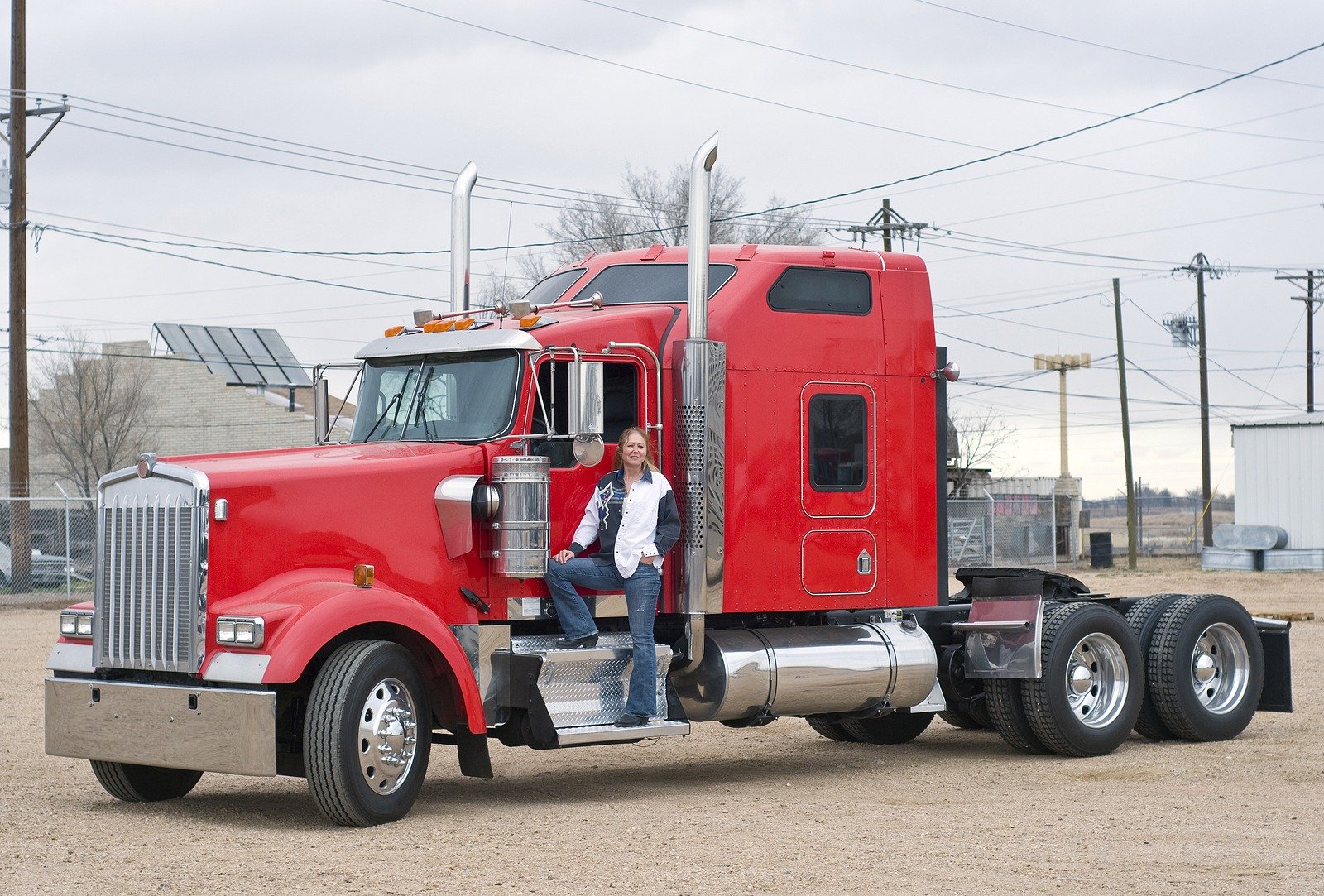
10 Factors That Really Determine Your Sleeper Truck's Value
- Mileage Is Only the Starting Point
Model year and odometer readings matter, but they never tell the complete story. - First Impressions Matter More Than You Think
A clean, well-maintained truck immediately signals careful ownership and consistent maintenance. - Maintenance Records Protect Value
Organized service documentation reduces uncertainty and gives buyers greater confidence. - Structural Condition Outweighs Cosmetics
Frames, suspension components, and structural integrity have a much greater impact than paint or chrome. - Tires and Small Maintenance Details Tell a Story
Tire wear, fluid leaks, battery condition, and air lines often reveal how a truck has been cared for. - The Sleeper Is Part of the Evaluation
Cleanliness, functionality, and the condition of the living area all influence resale value. - Engine and Drivetrain Health Matter
Cold starts, warning lights, fluid condition, and drivetrain performance provide valuable clues during an inspection. - Preventative Maintenance Pays Off
Staying ahead of repairs preserves value and prevents deferred maintenance from lowering future offers. - Truck Specifications Influence Demand
Engine choice, transmission, sleeper configuration, wheelbase, and other specifications affect what buyers are willing to pay. - Professional Buyers Evaluate the Entire Truck
The strongest resale values come from trucks that have been consistently maintained, properly documented, and cared for throughout their working life.
How Professional Truck Buyers Evaluate a Sleeper Truck Before Making an Offer
Most owners assume their truck's worth comes down to two numbers. The odometer reading and the model year.
Those numbers matter. But they tell a small part of the story.
When a professional buyer walks up to a sleeper truck, the evaluation starts before a single question is asked. By the time five minutes have passed, an experienced eye has already gathered dozens of small signals that shape the offer.
This article explains what those signals are and why they matter. Not so you sell today, but so you understand how truck value actually gets decided.
Who Is Doing the Looking
Kelly Truck Buyers evaluates used sleeper trucks every day, across the United States. The company works with independent owner-operators and small fleets, the people who know their equipment better than anyone.
That daily exposure builds a kind of pattern recognition. After enough trucks, you stop seeing a mileage figure and start seeing the whole picture. How the truck was run, how it was cared for, and what it is likely to need next.
The point of sharing this is simple. The same things a commercial truck buyer looks at are things an owner can watch and protect long before the day they decide to sell.
Why the First Impression Carries So Much Weight
A truck tells on its owner. Quietly, but clearly. We are a national buyer and usually work by pictures, so you have the chance to make it pretty.
When a buyer first sees a sleeper truck, the overall presentation sets the tone. A clean, well-organized truck suggests an owner who paid attention to the details that do not show up on a spec sheet.
This is not about a fresh wash hiding problems. Experienced evaluators see past a quick detail job. What they are reading is consistency. Does the care look genuine and ongoing, or surface-level and recent?
First impressions do not decide the final number. But they tell the buyer what kind of inspection to expect, and that frames everything that follows.
Maintenance Records Often Matter as Much as the Truck
Here is something many owners underestimate. The paperwork can be worth as much as the steel.
A used semi truck with complete, organized service history is a known quantity. The buyer can see when the oil was changed, when the aftertreatment system was serviced, when major components were replaced. That history removes guesswork, and guesswork is what drives offers down.
A truck with no records is a different situation. Even if it runs beautifully, the buyer has to price in uncertainty. Unknown history means unknown risk, and risk always costs money.
This is why service records belong in a folder, organized by date, not scattered across a glovebox. Owners who keep clean documentation often protect thousands of dollars in truck value without realizing it.
Manufacturer maintenance schedules are the backbone of this. When an owner can show that the engine and emissions systems were serviced on the intervals the manufacturer recommends, the buyer sees a truck that was respected rather than just driven.
Exterior Condition Versus Structural Condition
These two get confused, so it helps to separate them.
Exterior condition is what most people notice first. Paint, chrome, the condition of the hood and fairings, small dents and scrapes. It matters for presentation and for cosmetic resale appeal.
Structural condition is what a professional buyer cares about more. This is the frame, the crossmembers, the suspension mounts, the integrity of the components that hold everything together and keep the truck legal and safe.
A truck can look rough on the outside and be structurally excellent. It can also look sharp and hide real problems underneath.
Experienced evaluators learn to read past the cosmetics. Cosmetic wear can be fixed. Structural problems are expensive and sometimes permanent, and that distinction shows up directly in the offer.
Tires, Frame, and the Obvious Signs of Neglect
A few things get checked early because they reveal so much.
Tires come first. Even tread wear suggests proper alignment and balanced loading. Uneven or cupped wear can point to alignment issues, suspension problems, or hard use. Tires are also expensive to replace, so their condition affects the offer directly.
The frame gets a careful look next. Surface rust is common and usually cosmetic. But significant corrosion, cracks, prior welds, or signs of a past collision repair are serious. The frame is the foundation, and the buyer reads it closely.
Then there are the small tells of neglect. Fluid leaks pooling under the truck. A buildup of grime around seals that should have been cleaned and watched. Corroded battery terminals. Worn or dry-rotted air lines.
None of these alone is a dealbreaker. Together, they paint a picture of a truck that was run hard and maintained reluctantly. That picture moves the number.
The Sleeper Tells Its Own Story
On a sleeper truck, the cab interior is its own chapter of the evaluation.
Buyers pay attention to the sleeper because it reflects how the truck was lived in and how it was treated daily. A clean, functional sleeper with working appliances, intact upholstery, and a sound mattress platform suggests an owner who took pride in the whole rig.
Functionality matters as much as cleanliness. Does the bunk heater work? The auxiliary power unit, if equipped? The climate controls, the wiring for accessories, the cabinetry and storage? These are real components with real value, and they need to actually function.
Heavy wear, water stains, lingering odors, or signs of pets or smoke all factor in. They affect resale appeal and signal how hard the daily miles were on the truck.
For an owner-operator who all but lives in the sleeper, this is worth remembering. The space that serves you on the road is also part of what the truck is worth when you decide to move on.
Engine and Drivetrain Indicators
This is where experience separates a quick glance from a real read.
In the first few minutes, a buyer is gathering early indicators rather than tearing into the engine. A cold start, the sound at idle, the color and smell of the exhaust, the absence or presence of warning lights on the dash. Each one is a clue.
Oil condition gets a look. Coolant condition too. The buyer notes how the engine bay presents. Clean and dry, or coated in old oil and road film.
The drivetrain gets its early signals as well. How the truck feels in the first few feet of movement, whether the clutch engages smoothly, whether there is obvious driveline slack or unusual noise.
None of this replaces a full mechanical inspection. But for a semi-truck appraisal, these early indicators tell an experienced buyer where to look harder and what the truck is likely hiding or proudly showing.
Preventative Maintenance Versus Deferred Maintenance
This is the distinction that quietly drives a large part of any offer.
Preventative maintenance is work done on schedule, before something breaks. Fresh filters, serviced cooling systems, recent aftertreatment work, brakes addressed before they reach the wear limit. A truck maintained this way shows it.
Deferred maintenance is the opposite. It is the work that got pushed down the road. The slow leak that was tolerated. The worn component that still functioned, so it stayed. The service interval that slipped because the truck was earning and nobody wanted the downtime.
Deferred maintenance does not disappear. It transfers to whoever buys the truck next, and a professional buyer knows it. Every deferred item is a future cost, and future costs get subtracted from today's offer.
Owners who stay ahead of maintenance are not just keeping a truck running. They are preserving its value in a way that shows up clearly during any truck inspection.
Specifications That Affect Resale Value
Two trucks with the same miles and year can still be worth very different amounts. Often the reason is the spec sheet.
Engine make and model matter. Some powertrains hold their value and their reputation better than others, and the buyer market reflects that.
Transmission type plays a role. So does rear axle ratio, wheelbase, and how the truck is geared. A spec that fits a wide range of work is easier to resell than one built for a narrow purpose.
Sleeper size and configuration affect value too. So does the presence of desirable equipment like an auxiliary power unit, the wheel and tire package, and overall weight.
A buyer reads these specs against current demand. The same truck can be worth more or less depending on what the resale market wants at that moment.
Why Two Identical Trucks Are Rarely Equal
This is the heart of the matter, and it is worth stating plainly.
Two sleeper trucks can share a make, model, year, and mileage and still receive very different offers. The visible numbers were never the whole story.
One truck has complete records, was maintained preventatively, presents cleanly inside and out, and carries a desirable spec. The other has gaps in its history, a list of deferred items, a tired sleeper, and a spec that fits a narrower market.
On paper they look like twins. In person they are not, and an experienced commercial truck buyer sees the difference within minutes.
This is exactly why mileage and model year fall short as a measure of worth. They are a starting point, not a conclusion.
How to Become a Better-Informed Owner Before You Sell
An owner does not have to rely on a single opinion to understand their truck's value. Several reputable resources help build a clearer picture.
Commercial truck valuation guides give a baseline range based on make, model, year, and miles. They are a reasonable starting point, though they cannot account for the specific condition of any one truck.
Auction results and market reports show what trucks are actually selling for right now, which is often more useful than a static guide. Commercial trucking marketplaces offer a sense of asking prices and how long similar trucks sit before they sell.
Maintenance records and service history, your own, are one of the most valuable references you have. They tell the real story of the truck better than any outside source.
Manufacturer maintenance documentation defines what proper care looks like for your specific engine and systems. Industry organizations like the American Trucking Associations and regulatory bodies like the Federal Motor Carrier Safety Administration, along with established trucking publications, help owners stay current on the standards and trends that shape the market.
None of these replaces a real evaluation. Together, they help an owner walk into any conversation already informed.
Preserving Value Long Before You Sell
The encouraging part of all this is how much sits within an owner's control.
Keep records from day one. Organize them by date and hold onto every receipt. This single habit protects value better than almost anything else.
Stay ahead of maintenance rather than behind it. Address small issues before they become deferred items waiting to lower an offer.
Care for the sleeper the way you care for the engine. Keep it clean, keep its systems working, and treat it as part of the truck's worth rather than just your space on the road.
Watch tires, frame, and fluids the way a buyer would. The things a professional notices early are the same things you can protect every week.
None of this requires selling. It simply means that whenever the day comes, the truck speaks well for itself.
A Final Word from Kelly Truck Buyers
Understanding how a professional buyer evaluates a sleeper truck does more than prepare you to sell. It helps you make smarter maintenance decisions and protect your investment every mile you drive.
The owners who get the strongest offers are rarely the ones with the lowest miles. They are the ones who understood, early, what actually determines truck value and acted on it.
When the time comes to sell my semi-truck is a thought you are weighing seriously, an honest evaluation beats a guess. Kelly Truck Buyers offers a no-obligation assessment of your truck's current market value, given by people who evaluate used semi trucks every day and will tell you straight what they see.
There is no pressure and no obligation in finding out where your truck stands. If you would like an honest look at your sleeper truck's value, reach out to Kelly Truck Buyers at 800-790-1686 or through the contact page at kellytruckbuyers.com/contact-us.html.